
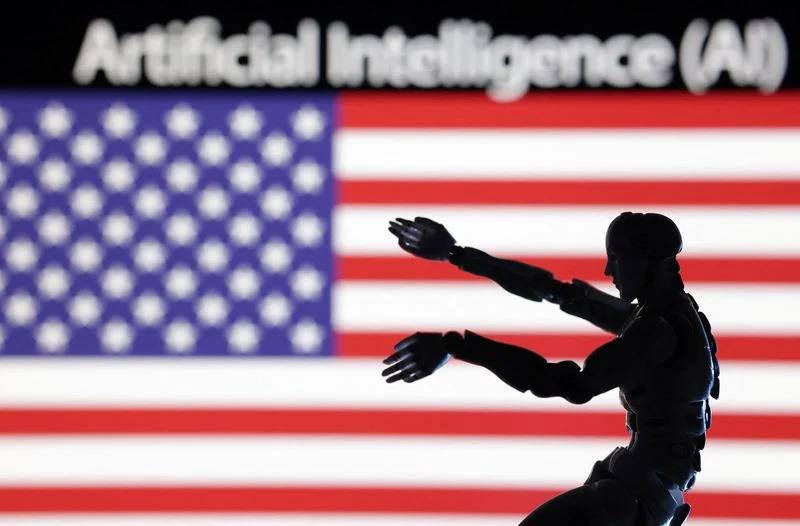
For Americans, the threat that artificial intelligence will destroy civilization no longer seems like just a plot from a Hollywood blockbuster. A recent POLITICO poll showed that public concern has risen sharply. Technology that seemed abstract just a few months ago is now perceived as a real threat. As a result, lawmakers from both parties are scrambling to figure out how to regulate the development of AI.
About two-thirds of U.S. residents believe that advanced AI poses at least a moderate threat to the survival of humanity. This fear unites people of all ages, genders, and political views. However, concern is slightly higher among Kamala Harris’s supporters (70%) than among Donald Trump’s voters (60%). Underlying these sentiments is a general skepticism toward technology: many people simply feel uneasy at the thought of AI becoming part of their daily lives.
Recent statements by industry leaders have amplified public concern. The call to slow down the development of super-intelligent models has even brought together such fierce rivals as Dario Amodei of Anthropic, Sam Altman of OpenAI, and Elon Musk. About half of Americans believe these experts are speaking sincerely, and only 26% view their warnings as a calculated marketing ploy to promote their products. As a result, the majority of citizens favor temporarily freezing or slowing down the industry’s development. People believe that current systems are already sufficient, even if a cautious approach leads to falling behind China technologically.

This situation puts Donald Trump in a difficult political position. His electorate is split almost evenly: 44% want to pause, while 40% are calling for continued development for the sake of economic gain. Trump himself is categorically opposed to restrictions. On his social media platform, Truth Social, he called the panic surrounding AI “fake news,” stating that data centers and computing power will become the greatest engine of the economy in history, and he will not allow this development to stop.
Meanwhile, in Washington, there is a growing tension between the desire to outmaneuver Beijing and public demands for safety.
If they win the House of Representatives election, Democrats plan to create a special committee on AI. Senator Chris Murphy called the uncontrolled spread of algorithms a real crisis. According to him, we simply must protect our children, our culture, and our jobs from the destructive impact of AI.
Republicans, too, are increasingly distancing themselves from Trump’s position. For example, Governors Spencer Cox of Utah and Ron DeSantis of Florida have already begun implementing their own rules and restrictions at the state level, without waiting for the federal government to decide anything.