
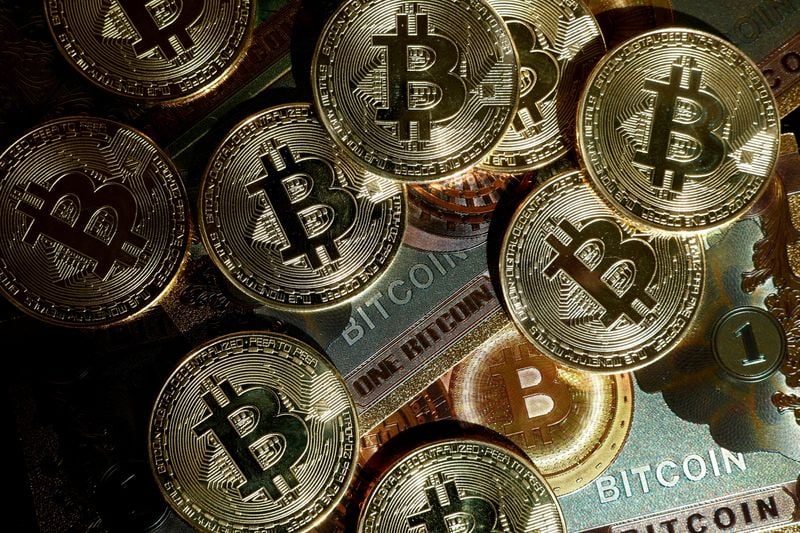
Banking experts have set target prices for the next 12 months at $181,000 for Bitcoin and $5,400 for Ethereum. At the same time, modest price growth is projected through the end of this year, reaching $132,000 and $4,500, respectively.
In his analytical report, Alex Saunders noted that next year’s upward trend will depend on investor interest, although current market prices for both assets already exceed the statistical values calculated based on user activity.
According to Citi, conditions for capital inflows will remain favorable as financial advisors and institutional investors expand the presence of cryptocurrencies in their investment portfolios. This process is facilitated by improvements in the regulatory environment, particularly in the United States.
According to the bank’s report, the macroeconomic landscape consists of conflicting factors: the expected growth in stock returns over the course of the year is offset by forecasts of a rising dollar and, with regard to Bitcoin, a potential decline in the price of gold.
Compared to Ethereum, Citi prioritizes Bitcoin. This is justified by its high market capitalization, long track record, and established concept as “digital gold,” which will help attract more new capital.

Bitcoin is currently trading above $83,000, which is in line with Citi’s model estimate, with a range of $70,000 to $95,000 driven by inflows into ETFs and changes in legislation. The pessimistic forecast is linked to a possible recession and a stock market downturn, while the optimistic scenario anticipates an even stronger inflow of capital.
Citi analysts emphasized that forecasts for Ethereum are less certain, as it is difficult to model user activity and determine the contribution of Layer-2 networks to price formation. However, even small volumes of purchases can significantly affect the price.
The bank also noted that capital flows are the primary factor driving price volatility: inflows into Bitcoin account for 42% of its price changes. Although inflows into the ETH ETF have a lower explanatory power (18%), they have a more pronounced impact on price indicators.